

Maximum stacking height
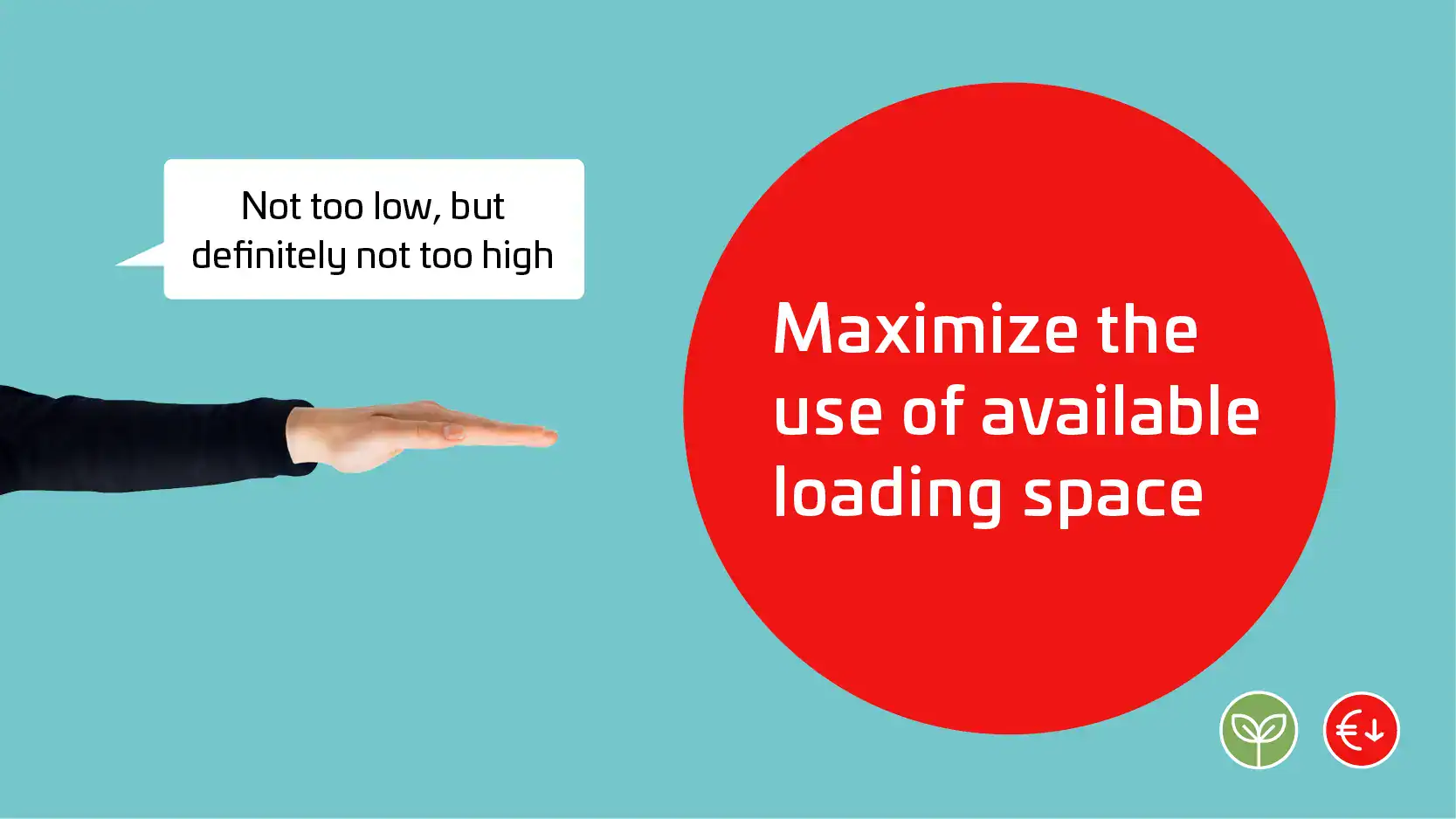
Not higher than is wise
A tall pallet may look efficient at first glance. It makes the most of the available space in your transport vehicle. But if the stacking height isn’t aligned with the strength of the packaging and the demands of transport conditions, instability or damage can quickly follow. Boxes that collapse, loads that shift, or even entire pallets that topple over, all of these are avoidable risks when the correct stacking height is used.
At Topa, we assess each situation to determine what is technically and logistically sound, ensuring the ideal balance between height, safety and efficiency.
What determines the maximum height?
The right stacking height depends on a combination of factors:
- Box strength and quality
Every box has a maximum compression value, the amount of weight it can bear before collapsing. This value depends on the material, type of corrugated board, moisture levels, and the box’s structural design. - Total load weight
The heavier the load, the more pressure on the bottom boxes. Once these bottom layers can no longer support the weight, the risk of damage rises significantly. - Pressure distribution and stabilisation techniques
Good layer pads or stabilisation methods can help distribute pressure more evenly, potentially allowing for slightly taller stacks without compromising stability. - Pallet type and packaging unit
Single-use pallets, lightweight plastic versions, or damaged bases offer less support to the load. The pallet base plays a key role in determining the maximum safe stacking height. - Transport and storage conditions
Will your load travel by road, sea or air? Will it be stored in the meantime? How are the pallets stacked in the warehouse? Each scenario influences what height is acceptable.
What does real-world practice tell us?
In practice, transport companies often work with a maximum pallet height between 180 and 220 cm. However, this is just a general guideline. The safely achievable height depends on your specific product, packaging and transport situation. It may vary, but always based on solid reasoning and testing.
We measure what you need
At Topa, we take your specific situation into account and calculate the ideal stacking height based on your product, packaging and logistics chain. At the Topa Institute, we perform tests such as:
- Compression tests
To determine the maximum vertical pressure a box can withstand. - Stack pressure simulations
To understand long-term loading on lower layers. - Vibration and tilt tests
To simulate movement and shocks during transport.
This data helps you make informed decisions, not based on gut feeling, but on solid facts.
Tall but calculated
A taller pallet can be cost-effective, but only if it’s built responsibly. Without insight and alignment, extra height quickly turns into extra risk. With the right adjustments and data-driven decisions, you can work more safely, more efficiently, and with less loss.
Want to find out whether your pallet is too tall? Don’t hesitate to contact us via phone: +31 252 245 200 or email: [email protected].
Topa
Contact