

Which test equipment?
To carry out professional testing, we use advanced equipment. From vibration tables, drop and compression tests to climate chambers and pallet stability setups. Everything is in place to test your packaging as realistically as possible, and improve it where needed.
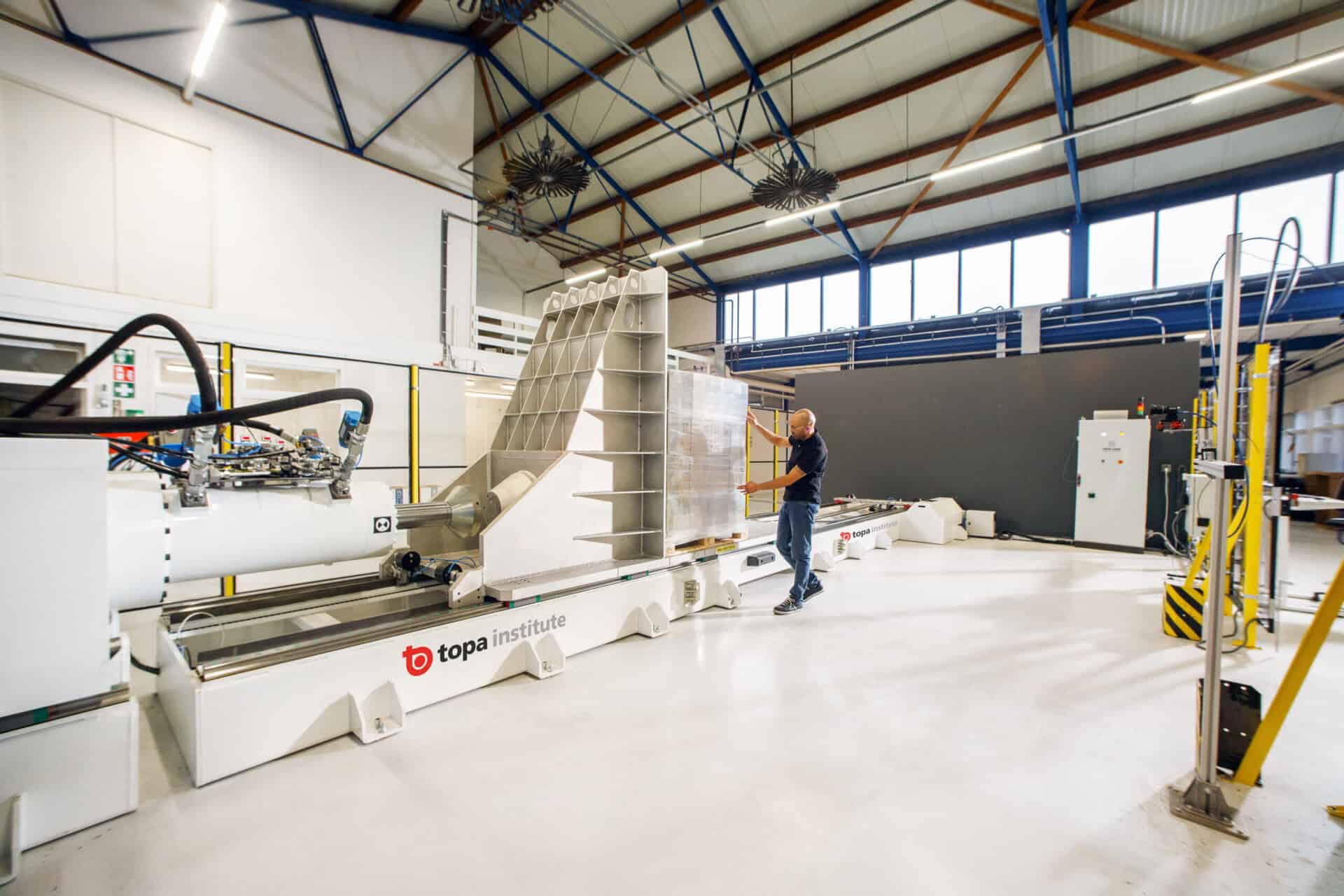
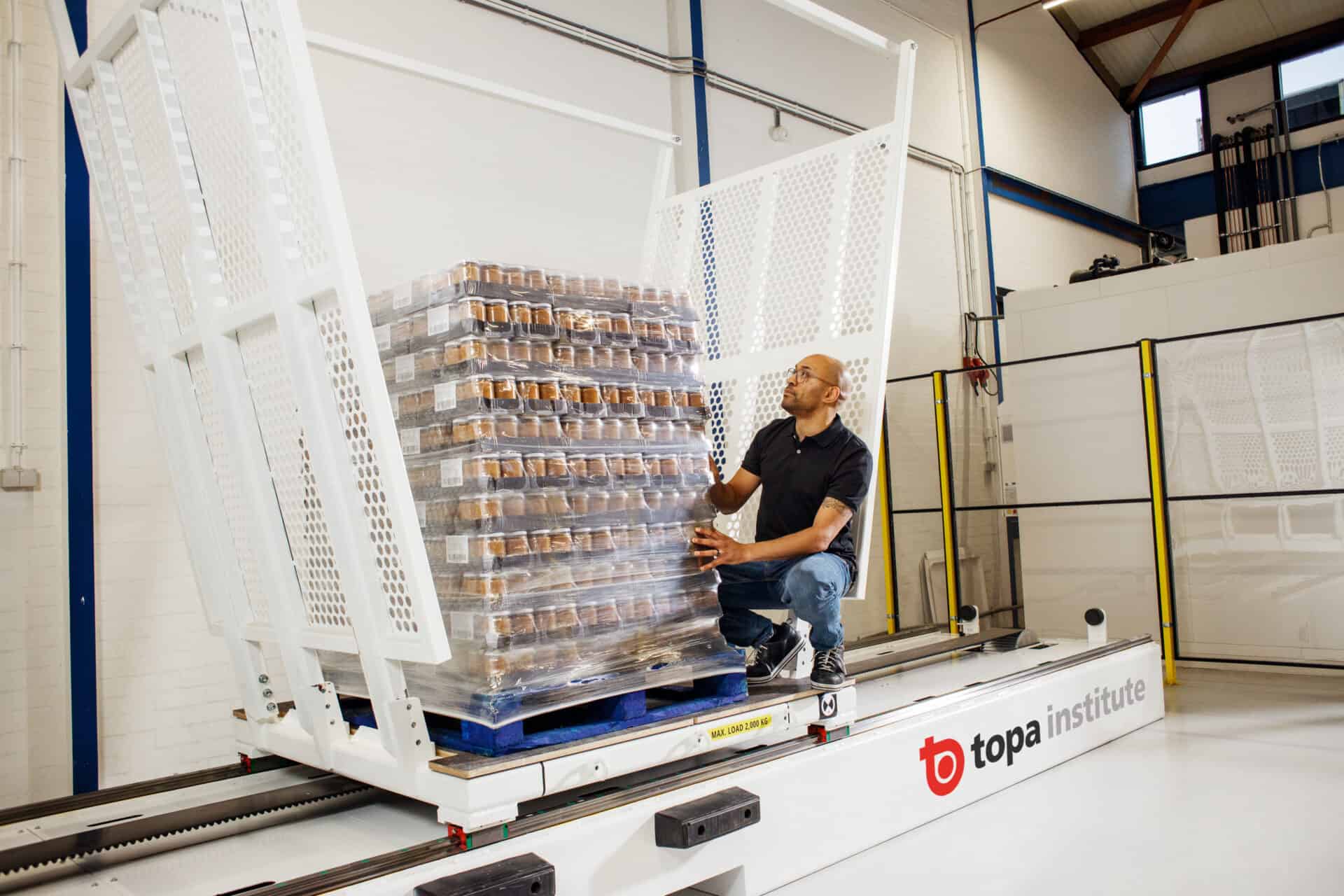
Acceleration bench
During various transport situations, horizontal shocks on (pallet) shipments occur, such as sudden braking, shunting of freight trains, and loading, unloading and transport by forklifts.
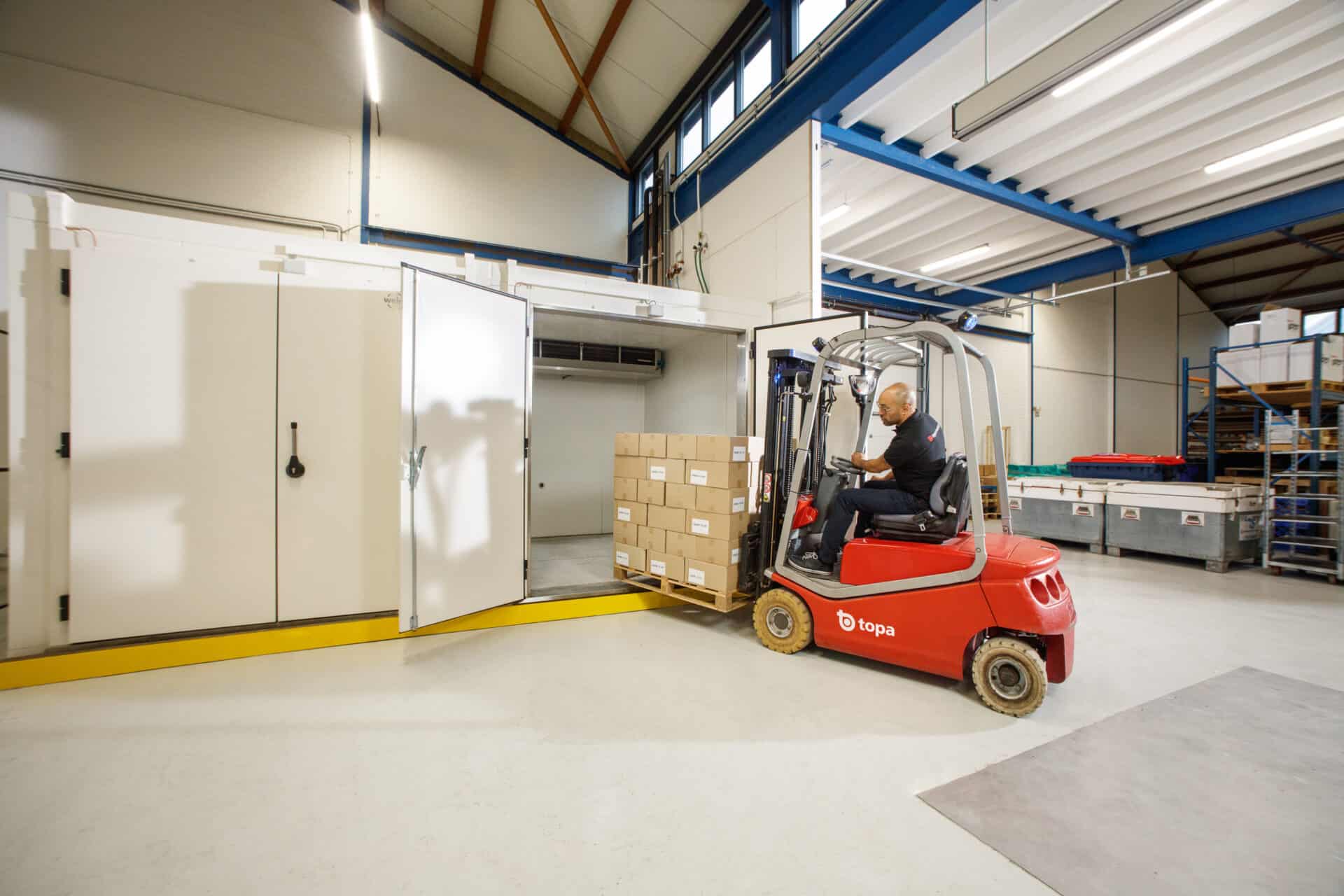
Climate chambers
Products and their packaging have to deal with weather and temperature fluctuations during transport. Moisture, cold and heat all affect the packaging and/or product.
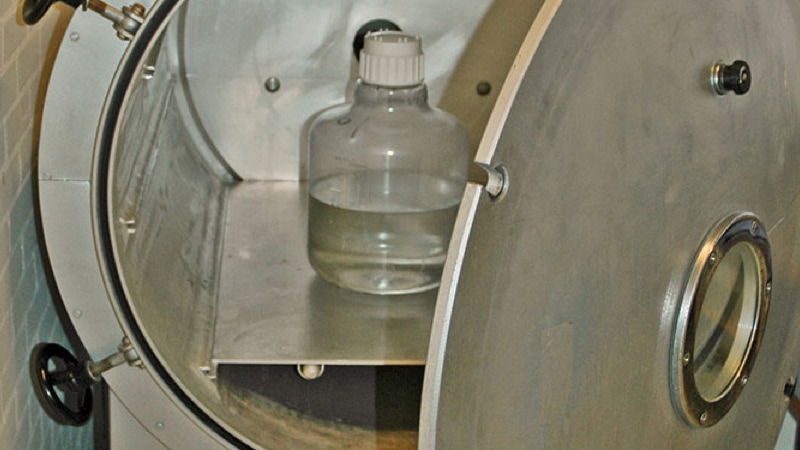
Low pressure chamber
Differences in (atmospheric) pressure during transport do not only occur in planes. The pressure in the room can also change during truck transport, for instance in the mountains.
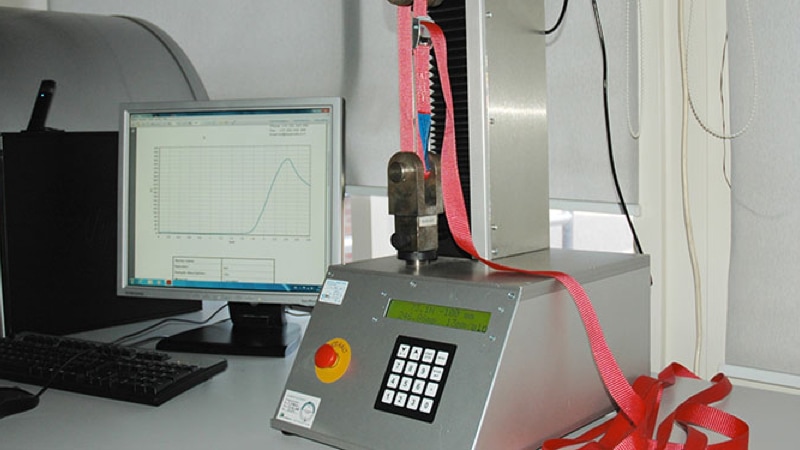
Tensile/compression test system
When a box is lifted on the handle attached to it, it is useful to know which weight this handle can take. The same is true for tie down straps of which the tensile strength is calculated.
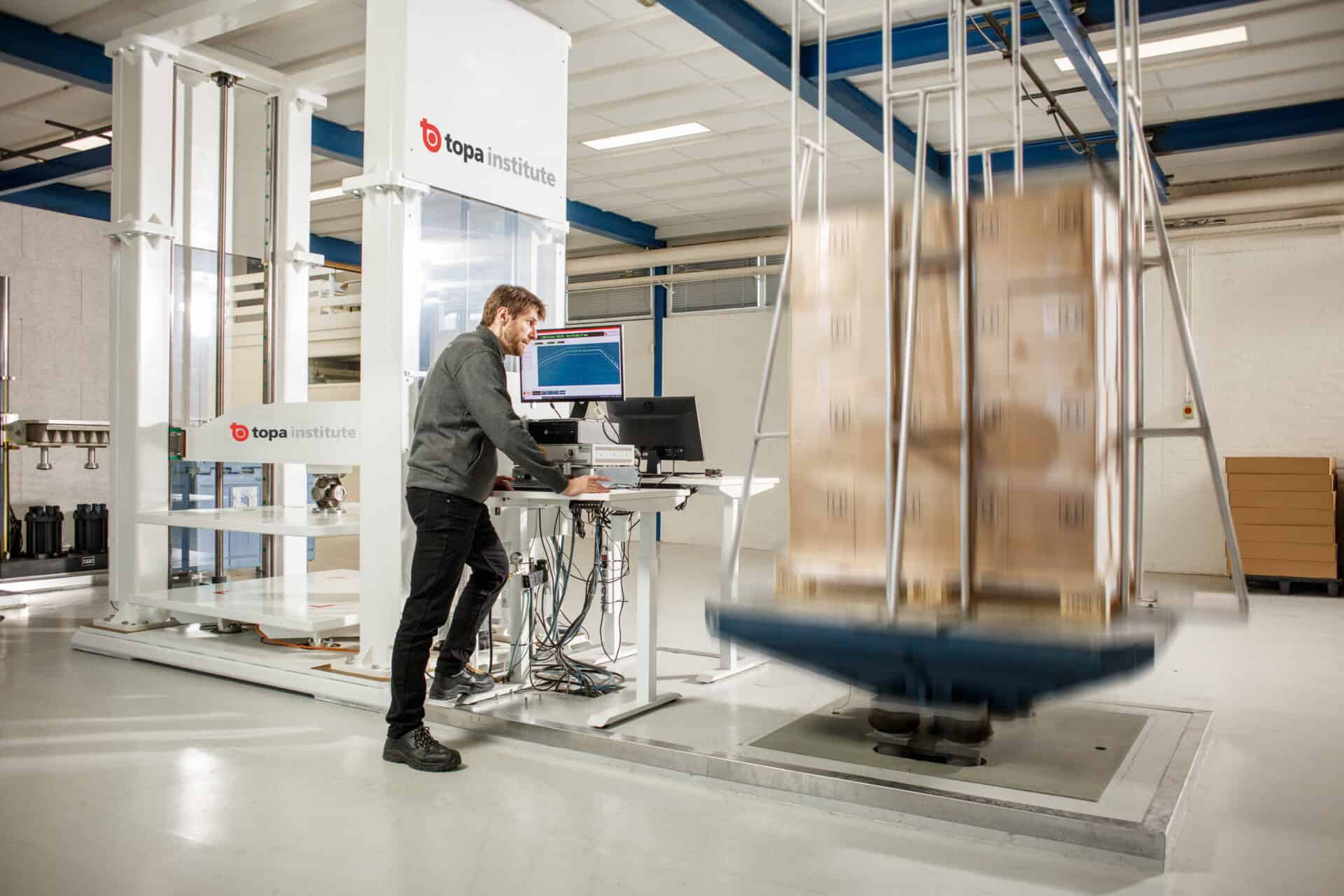
Vibration table
All vibrations during transport may influence and possibly damage the product and the packaging. Sometimes, the result is immediately visible, but the problem with vibration damage is that this type of damage is not always visible on the outside of the product, for instance in case of electronic components.
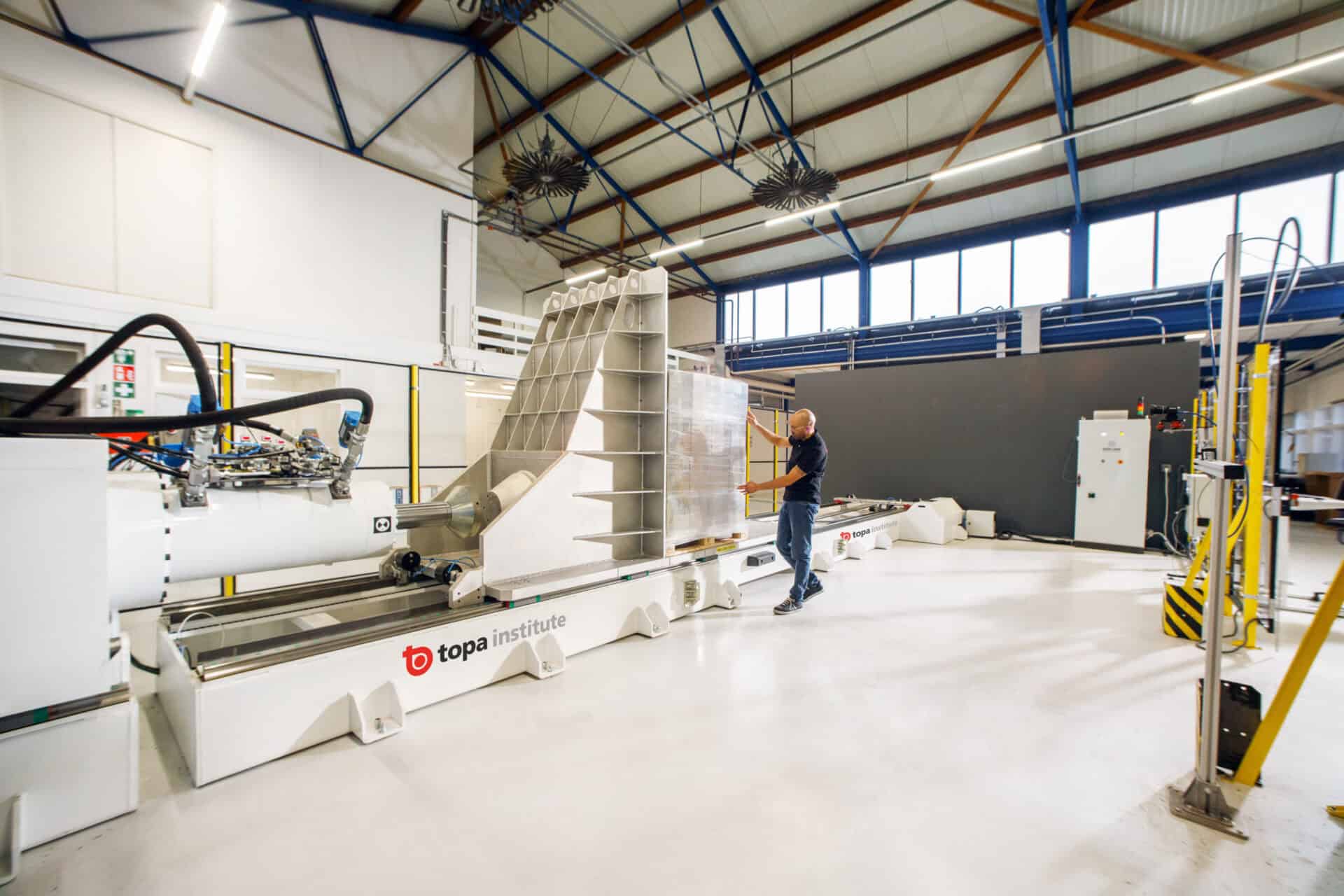
Horizontal stability tester
Damage to products is not always immediately visible, as is the case for electrical products that have become internally damaged due to a fall, for instance. But, of course, that is not a desirable situation.
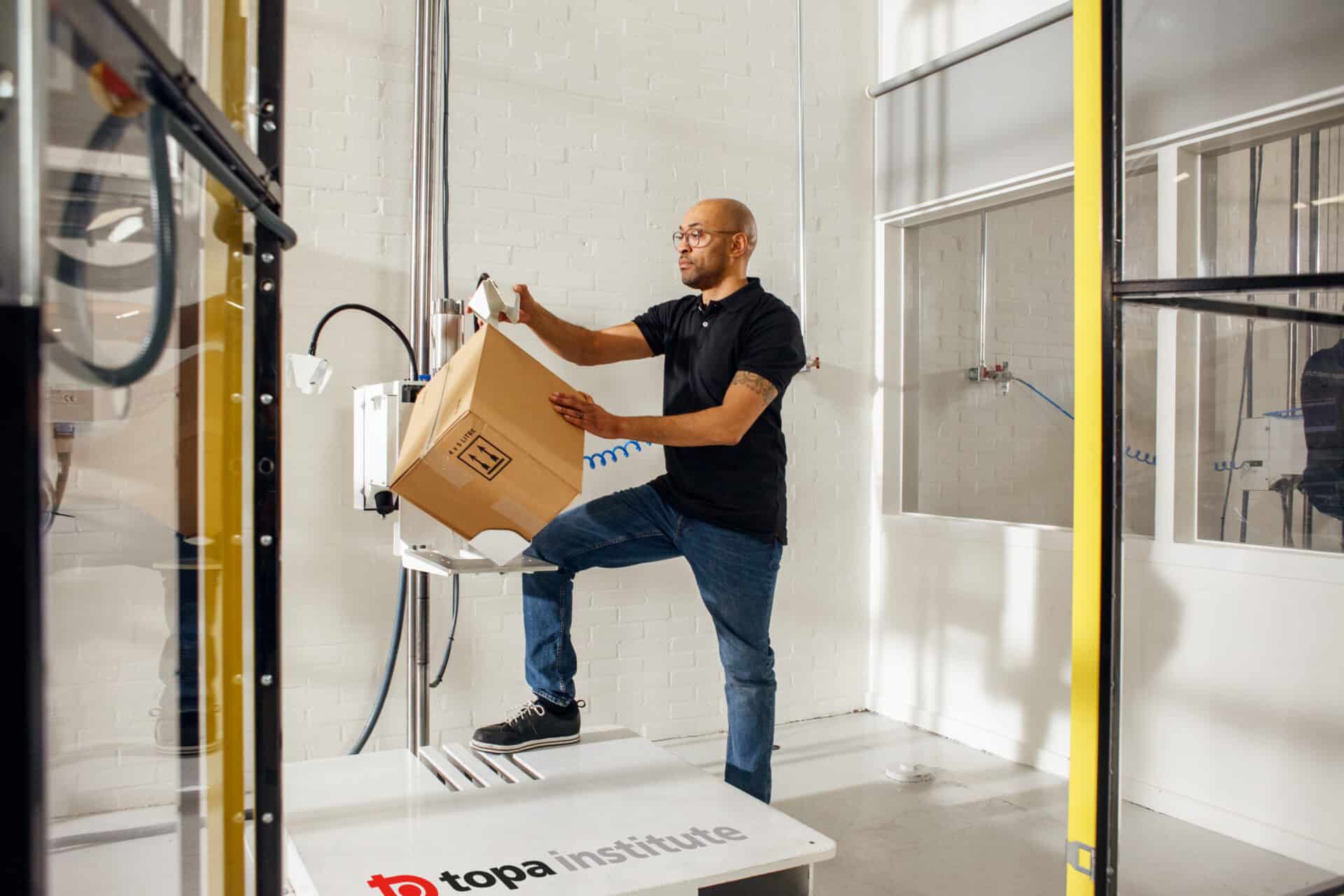
Drop test
If packages fall during transport, it can cause a lot of damage. By performing a free fall drop test, the protective functioning of the packaging is examined.
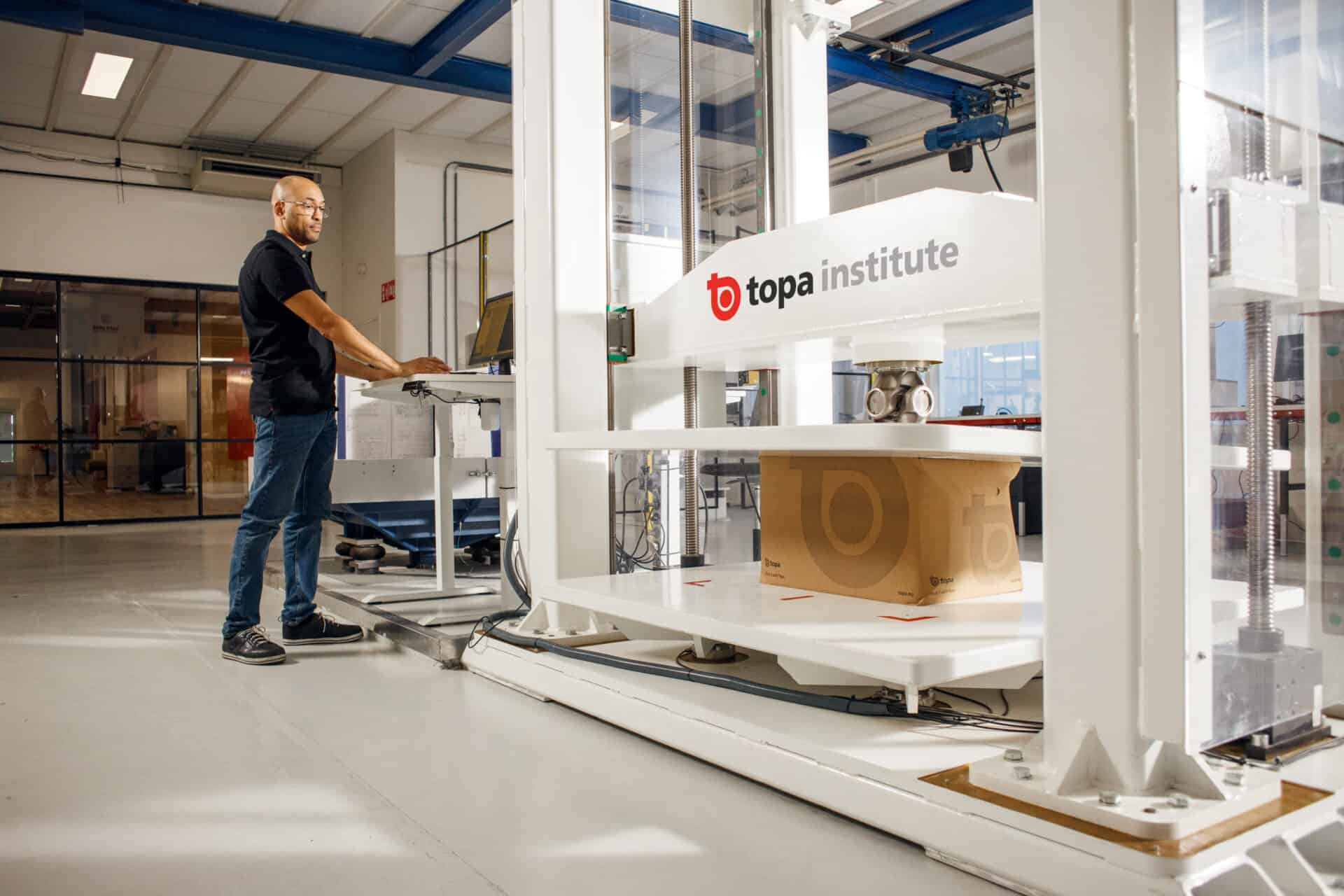
Compression test
Storage and transport of products always occurs in conjunction with compression forces. Stacking products and pallets creates pressure.

Concentrated impact tester
During shipment of packages, the packages are often subject to a point-concentrated load. For instance, when the corner of package A falls on top of package B or when smaller packages are stacked on top of larger packages.