Paper or plastic? Choosing the right packaging starts with making the right choice
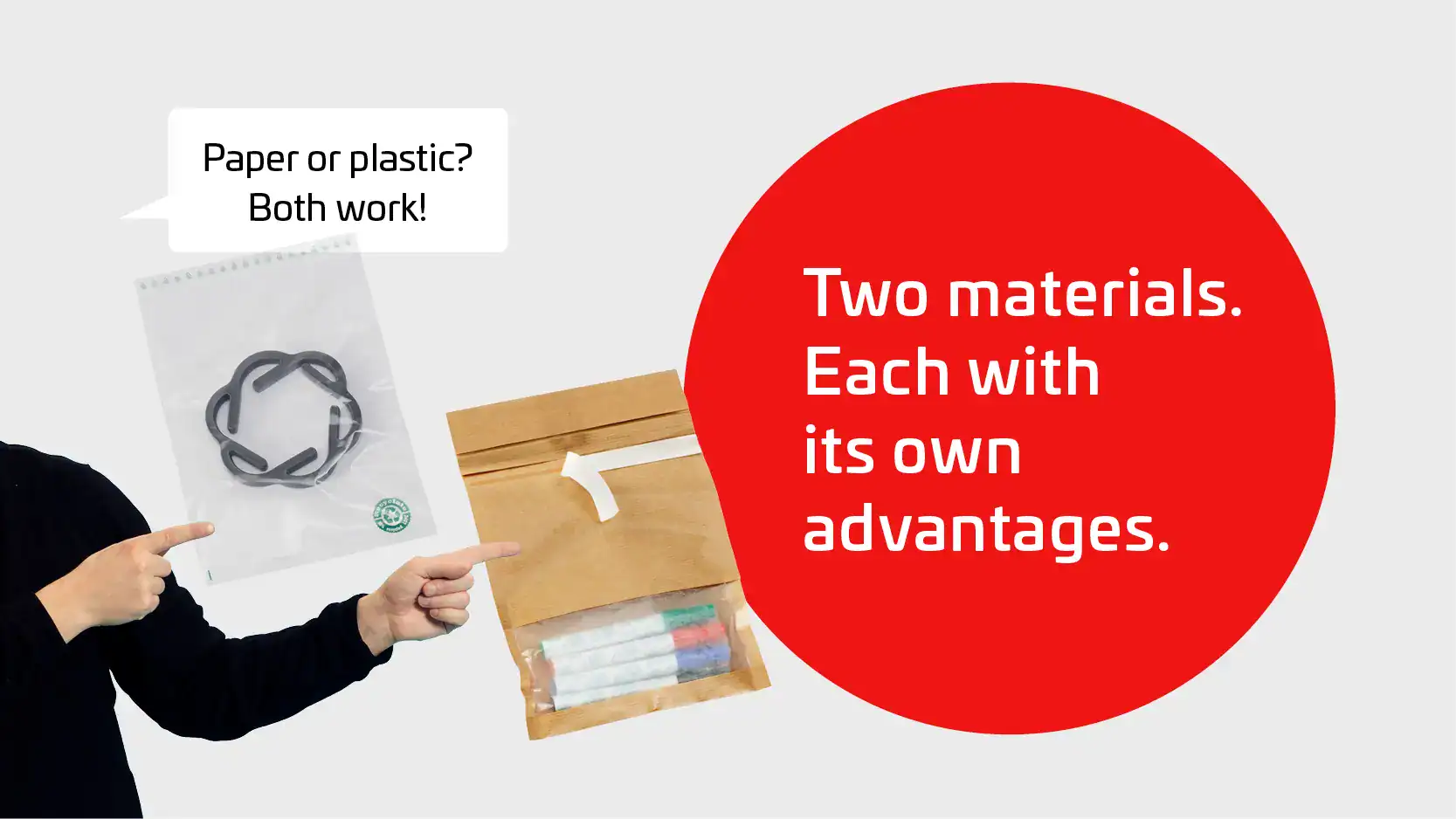
Paper or plastic? This is nothing new in the packaging industry. When it comes to void-fill materials, companies have been weighing up plastic air cushions against paper-based cushioning solutions for years. What has changed, however, is that this choice is now becoming available across an increasing number of product categories. For example, alongside our familiar bubble-lined envelopes (with a paper outer layer and plastic bubble wrap), we recently introduced a 100% paper alternative. With the introduction of the European Packaging and Packaging Waste Regulation (PPWR), demand is growing for innovative mono-material solutions and the freedom to choose the best option for each application.
But is paper automatically better than plastic? Not necessarily. Both materials have their own distinct advantages. What matters is how packaging is used, reused and handled after use.
At Topa, we don’t believe in labelling materials as ‘good’ or ‘bad’. We believe in choosing the right packaging for the right product. We help you make informed choices without compromising on protection or ease of use. That might mean opting for a 100% paper solution, but it could just as easily mean choosing plastic containing recycled material.
Two materials, two practical applications
A good example of this freedom of choice can be found in our resealable grip seal bags, which are used to package, organise and sort small components. Depending on the properties required, the most suitable option will vary:
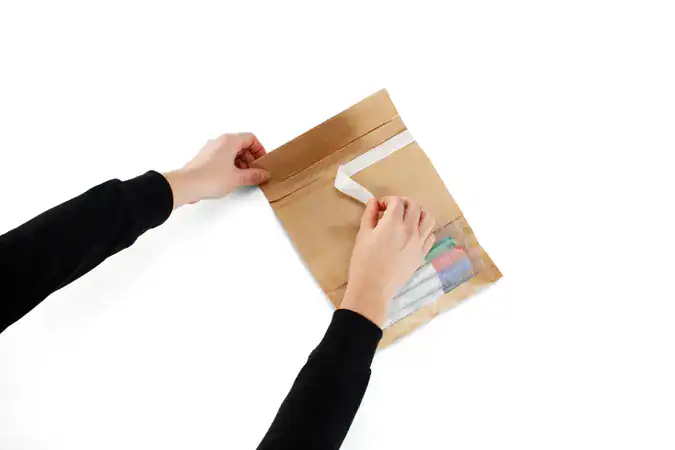
- The reLoc bag (100% paper): An innovative mono-material alternative to the traditional grip seal bag. The bag is made from FSC-certified kraft paper (approximately 75%), combined with a transparent glassine window (approximately 25%). This allows you to see the contents at a glance, making it particularly useful for order picking. Its specially developed paper zip closure allows the bag to be opened and resealed multiple times. After use, the entire packaging can be easily recycled through the standard paper recycling stream.
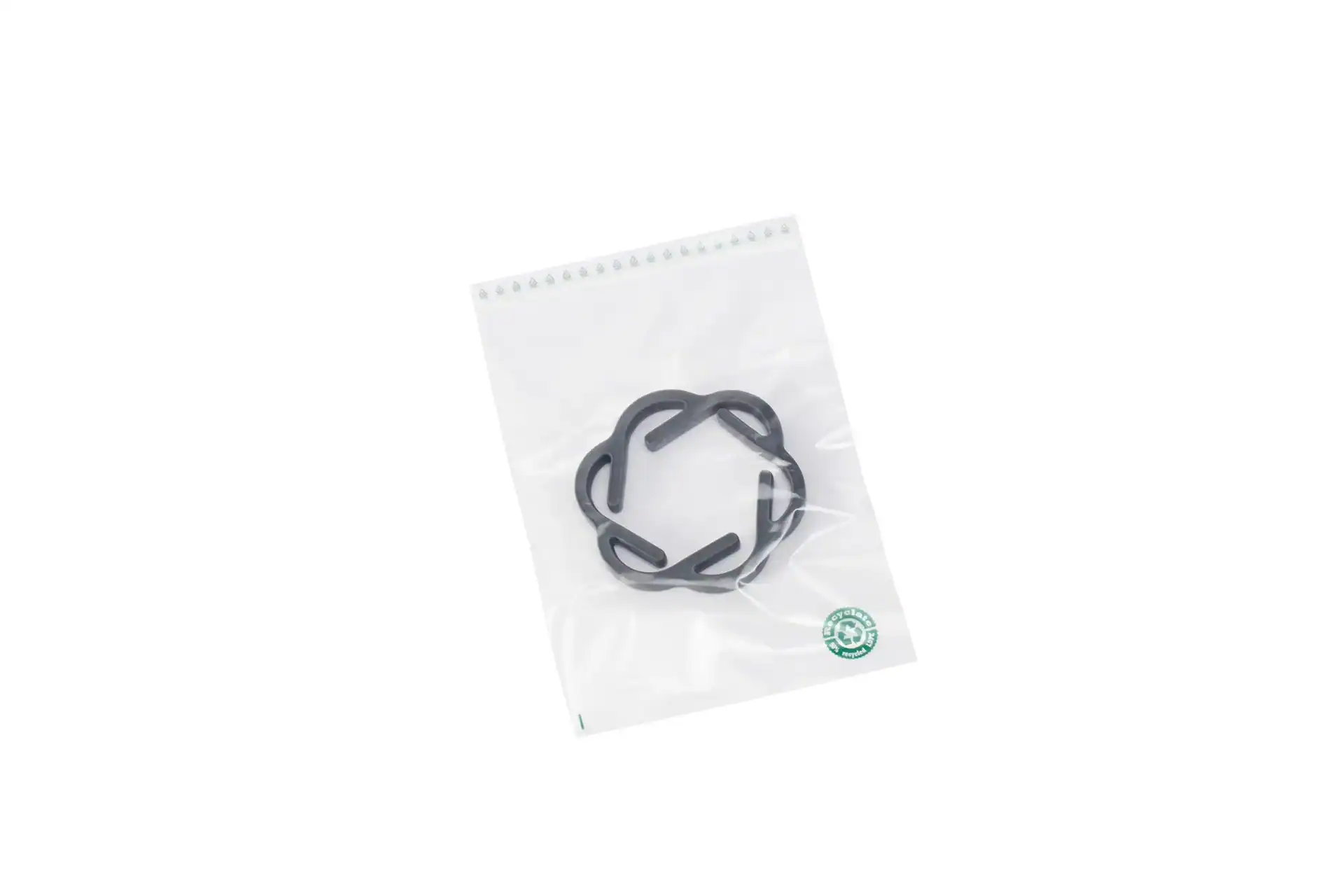
- Recycled grip seal bags (rPE plastic): A plastic solution containing 30% recycled material. These bags provide protection against external moisture and dirt. With a film thickness of 50 microns (or an optional reinforced 90-micron version), the material is strong and tear-resistant. The robust press-to-close seal and transparent, flexible plastic provide reliable protection and allow repeated use. After use, these bags can be collected and recycled through the plastic recycling stream.
From theory to practice
Sustainably designed packaging only delivers real benefits when it actually ends up in the correct waste stream after use. This is a key principle behind the PPWR. The legislation does not call for a blanket switch to paper, but rather a considered approach: less unnecessary material, maximum recyclability and informed choices that fit seamlessly into your logistics process.
Less starts with making informed choices
At Topa, we look beyond individual materials. Sometimes a paper alternative is the right choice, while in other cases recycled plastic provides better protection. And sometimes the greatest benefit comes from repeated reuse or choosing a more suitable packaging size.
Reducing the environmental impact of packaging starts with having a choice: identifying which material best suits your product and logistics process.
Wondering which option is best suited to your operations? Explore our recycled plastic grip seal bags or request a free sample of the reLoc bag and experience the differences for yourself.
You pack it with Topa
Topa
Contact