

The invisible threat: How to truly protect electronics against ESD damage
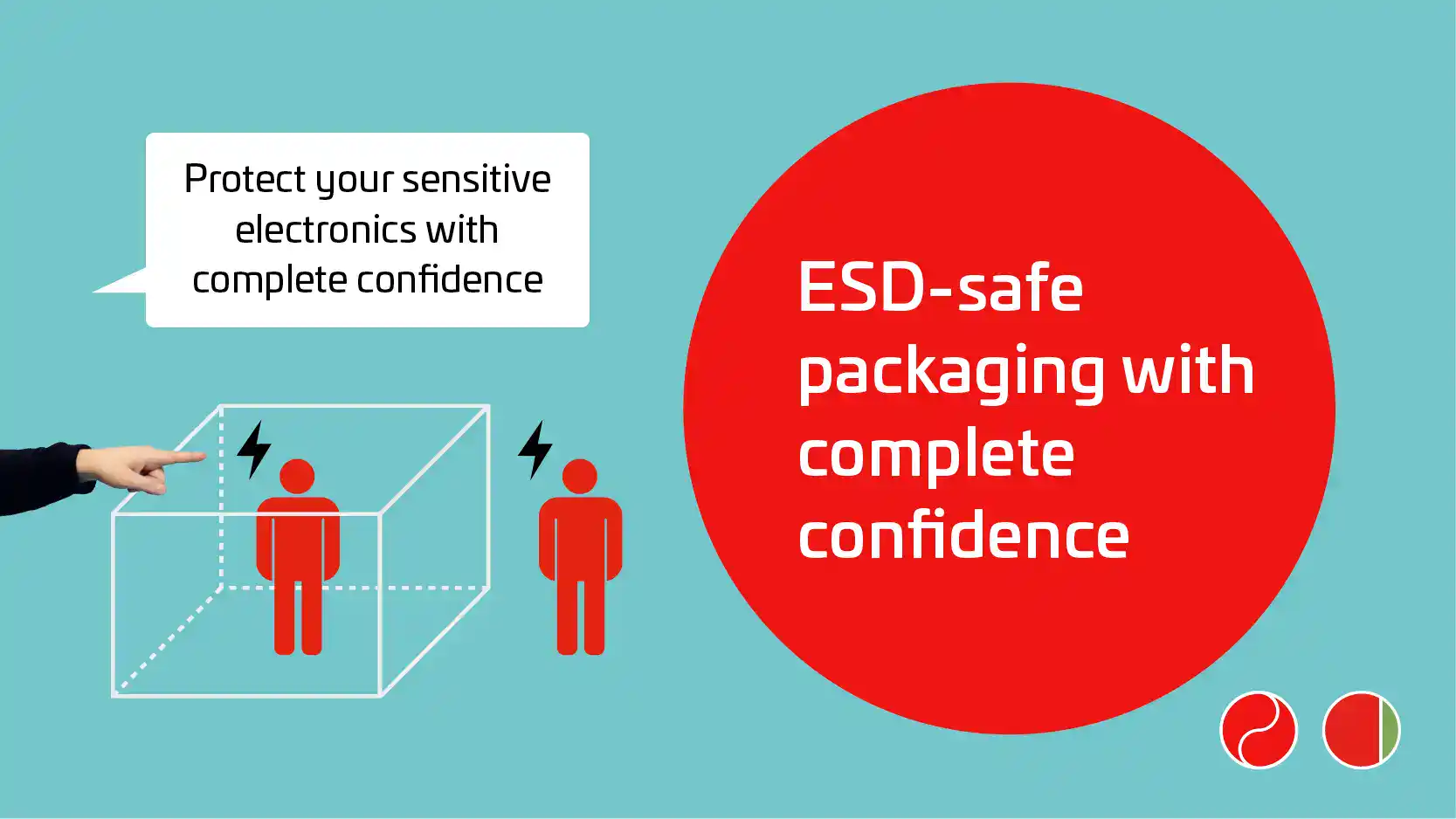
In the high-tech and electronics sectors, the greatest danger is often the one you cannot see. Electrostatic discharge (ESD) is a silent disruptor that can irreparably damage microchips and printed circuit boards (PCBs). What makes this risk particularly deceptive is the voltage involved: for example, a person will generally only feel a static shock from around 3,000 volts, while a sensitive microprocessor may already be at risk of permanent damage from a discharge of just 10 volts.
Many companies invest heavily in high-quality cleanrooms and carefully controlled ESD Protected Areas (EPAs). Within these controlled environments, the process is usually well managed. But what happens once the vulnerable electronics leave that area? Or your premises?
From that moment on, you are no longer there to safeguard your valuable technology. Damage often occurs unnoticed during storage, transshipment or transport. A product may pass internal quality control with flying colours, only to fail several weeks later at the end user’s site. The result: unexplained faults, costly warranty claims and reputational damage.
The physics of protection: The right material at the right time
Standard packaging materials may protect against scratches and dents, but friction can actually cause them to generate static electricity. A specialised barrier is therefore essential. To create a fully secure logistics chain, it is crucial to use the right type of protection at the right stage of the process:
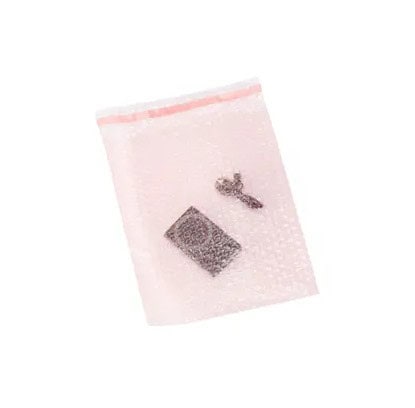
- Antistatic packaging: Prevents the packaging material itself from generating a static charge through friction. This makes it ideal for safe processing and internal handling within the EPA on the production floor.
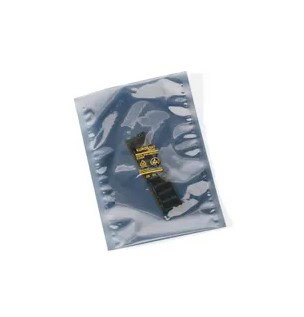
- ESD shielding: As soon as components leave the controlled area or the building, shielding packaging becomes essential. It acts as a Faraday cage, blocking external electrostatic discharges and safely conducting the charge around the product.
- Moisture Barrier Bags (MBBs): For moisture-sensitive microchips with a Moisture Sensitivity Level (MSL) and high-value components that are stored or transported for extended periods, an MBB provides the highest level of protection. These multilayer bags combine an ESD barrier with protection against moisture and electromagnetic interference (EMI) and are particularly suitable for vacuum packaging.
Maintain control over product quality, even outside the cleanroom
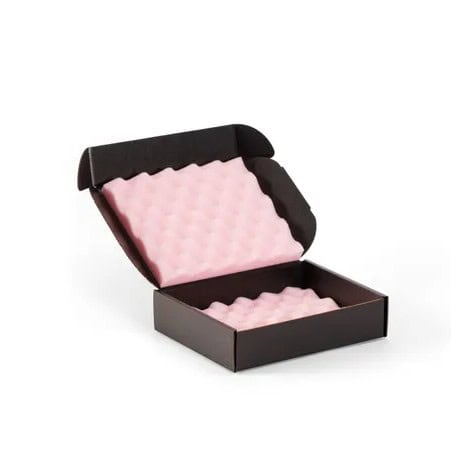
Creating a fully secure ESD process requires a critical assessment of every link in the chain, from the film used at the packing table to the moment the outer carton is handed over to the carrier. By combining ESD protection with shock-absorbing materials, such as ESD Corstat boxes with integrated antistatic foam, you can protect products against both physical impact and electrostatic discharge.
Would you like to know whether your current packaging method can withstand real-world conditions beyond the doors of your facility? Our specialists will be happy to analyse your logistics route and product sensitivity and provide tailored advice.
Contact us.for a targeted on-site assessment of your ESD protection.
You protect it with Topa.
Topa
Contact